
by | Sep 10, 2026 | Income Tax
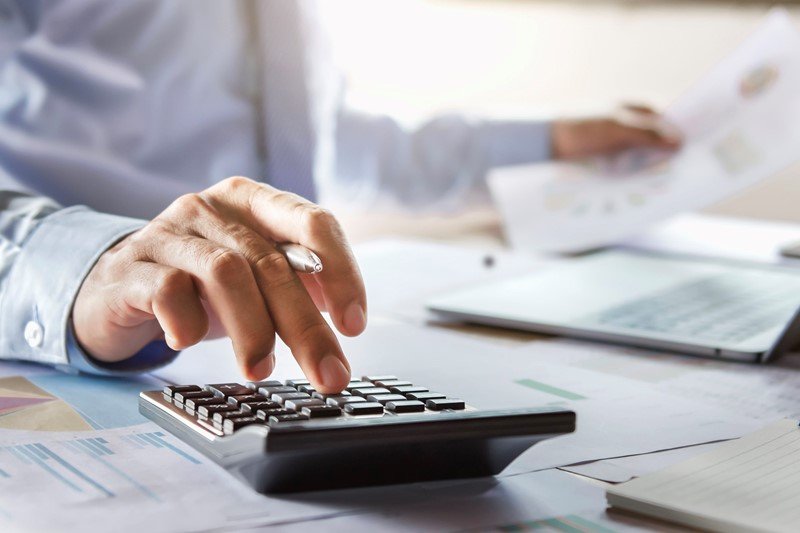
Self-employed people can choose to use simplified expenses to calculate certain business costs using flat rates rather than working out their actual expenses. The system can save time and make record keeping easier, but it will not necessarily produce the best tax...
by | Sep 10, 2026 | Income Tax
Self-employed people can deduct allowable business expenses when calculating their taxable profits. However, where a cost has both a business and private element, only the business proportion can normally be claimed. For example, if a mobile phone bill is £200...
by | Sep 3, 2026 | Income Tax
HMRC is currently carrying out its annual reconciliation of PAYE for the 2025-26 tax year. Between June and November, HMRC calculates the Income Tax paid by individuals and checks whether the correct amount has been collected. Where HMRC identifies a difference, it...
by | Aug 27, 2026 | Income Tax
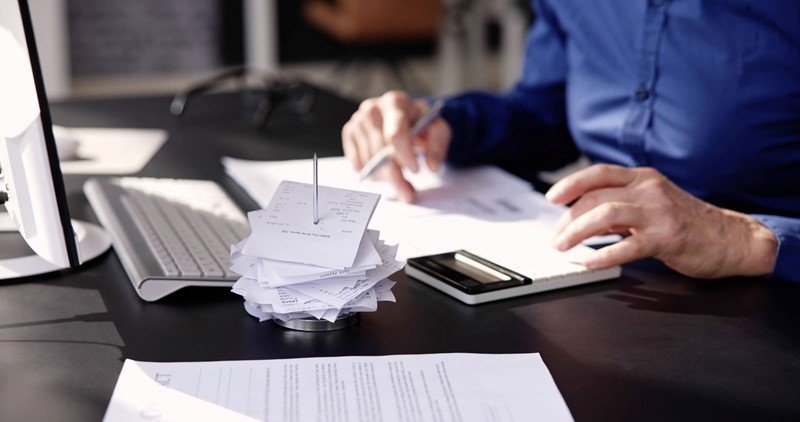
Self-employed individuals can deduct allowable business expenses from their income when calculating taxable profits. However, businesses must keep accurate records and evidence to support the costs being claimed. HMRC requires taxpayers to keep proof of business...

by | Aug 10, 2026 | Income Tax
Cash basis accounting is a simplified method used by sole traders and other unincorporated businesses to work out income and expenses for self-assessment in a straightforward manner. The cash basis is the default method for calculating income and expenses for...

by | Aug 10, 2026 | Income Tax
The £1,000 property allowance is a helpful for individuals with small amounts of property income. The allowance provides a tax exemption of up to £1,000 a year against gross property income, meaning some landlords may not need to report their income to...


 Client Portal