

 Client Portal
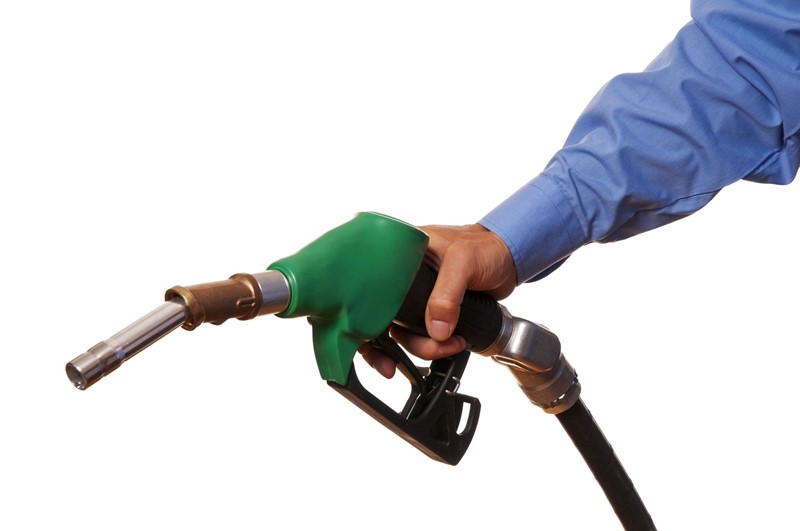
Employees who receive fuel from their employer for private use in a company car can avoid paying the car fuel benefit charge by reimbursing the full cost of the private fuel. This process, known as "making good," requires the employee to repay the employer for private fuel no later than 6 July following the end of the tax year. For the 2025–26 tax year, the repayment must be completed by 6 July 2026.
If the repayment is not made by the deadline, the employee becomes liable for the car fuel benefit charge. This charge is calculated based on the vehicle’s CO2 emissions and the car fuel benefit multiplier. The charge applies regardless of the actual amount of private fuel used, making it potentially costly for employees who only use a small amount of fuel for private journeys, such as commuting.
To avoid the car fuel benefit tax the employee must reimburse the total cost of all private fuel used during the year, including fuel used to travel to and from work. Keeping accurate mileage records is essential. HMRC will only accept that no benefit has arisen if the full cost is repaid by the deadline. In many cases, repaying the private fuel cost can be more financially beneficial than paying the fuel benefit tax charge.